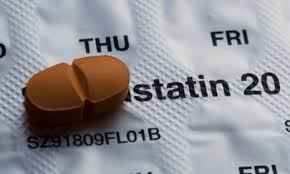
High cholesterol levels over an extended period can lead to the buildup of plaque in the arteries, which gradually narrows them and makes it harder for blood to flow. This condition is called atherosclerosis. Changes to the inner lining of the arteries occur, and damage to the blood vessels can result in the formation of a blood clot, known as a thrombus. Over time,this thrombus may grow in size and lead to serious events such as a stroke or heart attack.(1)
HMG Co-A reductase is an enzyme in the liver that helps in producing cholesterol; and this cholestrol is carried and transported in the blood by Low Denisty Lipoproteins also called as bad cholestrol.(2,3) The most widely prescribed class of medications for lowering cholesterol levels in the blood are called Statins. Statins work by blocking HMG Co-A reductase, thereby
reducing the amount of cholesterol made by the liver and removing more LDL from the blood. These medications also facilitate the generation of nitric oxide, which improves blood
flow by widening the blood vessels. High doses of statins, like atorvastatin and rosuvastatin, can reduce plaque in the arteries and significantly lower the risk of heart problems.(2)
Statins have been associated with a couple of harmful effects, such muscle pain and weakness, type 2 diabetes mellitus and liver toxicity.(1) In rare cases, muscle tissue can break down, releasing a protein called myoglobin into the blood. This can damage the kidneys and, in severe cases, lead to kidney failure.(2) Recent studies have shown that people taking statins have a higher risk of developing type 2 diabetes. Statins can indirectly block the process that turns glucose into energy and prevent the release of insulin from the pancreas.(1) Other side effects include memory issues and development of cataract.(2)
Taking into consideration the beneficial and harmful effects of statins, it is important for healthcare professionals to carefully review any pre-existing conditions before prescribing
them to avoid potential harm. Newer medications like inclisiran and bempedoic acid, are now prescribed to patients who cannot tolerate statins.(4) Recent guidelines suggest a step-by-step
approach, including changes in diet, proper exercise and management of stress.(1)
References
mode of action, and side effects. In: The Impact of Nutrition and Statins on Cardiovascular
Diseases. Elsevier; 2019. p. 171–200.- Khatiwada N, Hong Z. Potential Benefits and Risks Associated with the Use of Statins. Vol. 16,
Pharmaceutics. Multidisciplinary Digital Publishing Institute (MDPI); 2024. - Khatana C, Saini NK, Chakrabarti S, Saini V, Sharma A, Saini R V., et al. Mechanistic Insights into
the Oxidized Low-Density Lipoprotein-Induced Atherosclerosis. Vol. 2020, Oxidative Medicine
and Cellular Longevity. Hindawi Limited; 2020. - Vinci P, Panizon E, Tosoni LM, Cerrato C, Pellicori F, Mearelli F, et al. Statin-associated myopathy: Emphasis on mechanisms and targeted therapy. Vol. 22, International Journal of Molecular Sciences. MDPI; 2021.
Leave a Reply