Category: Blog

Your blog category

  • Decoding Memory: How and Where Do We Store Our Past

    Decoding Memory: How and Where Do We Store Our Past

    Have you ever thought about why it’s so hard to remember the name of someone you met recently at a party or meeting, yet so easy to recall special moments like your graduation day or your first day at college or work? However, if the name is associated with an important event or is very similar to someone you know, it becomes easier to remember. The reason we can recall long-term memory but often forget short-term (or immediate) memory lies in how the brain processes, stores, and retrieves information.

    What is memory?

    Memory is an important part of human cognition, it helps us in retaining the past, navigating through the present, and planning for the future. It is the substrate upon which personal identity is built. The modern scientific framework understands memory not as one thing, but as a collection of multiple, distinct, and neuroanatomically dissociable systems.

    Long-term memory systems

    Long-term memory systems refer to the part of our memory that is responsible for storing information over extended periods ranging from hours to an entire lifetime. They are broadly classified into Declarative (Explicit) and Non-declarative (Implicit) memory.

    1.      Declarative memory – It encompasses all the information that we can consciously and intentionally retrieve and declare. This system stores our knowledge of facts, ideas, events, and personal experiences, forming the narrative of our lives and our understanding of the world. The knowledge stored by declarative memory can be accessed and applied in various contexts, different from the one in which it was learned.

    2. It is further subdivided into Episodic and Semantic memory

    a.      Episodic memory: Episodic memory stores information about events we have personally experienced. It is the ability to re-experience a past event and remembering specific details about what, where and when. Examples of episodic memory are remembering graduating high school or recalling performing an adventure activity or sport.

    b.      Semantic memory: It is composed of facts, concepts, and knowledge that are independent of the learning context. This system holds our vocabulary, our understanding of objects, and our factual knowledge base. For example, knowing the capital cities of a state, remembering important historical dates or knowing the use of legal documents.

    1.      Non Declarative memory – Non-declarative memory operates outside of conscious awareness. It refers to information that is acquired and used unconsciously, influencing our thoughts and behaviours without our intentional effort or even our awareness that we are drawing on a memory.

    It is further classified into procedural, priming, and associative learning

    a.      Procedural memory- Procedural memory is responsible for the acquisition of our skills and habits. We perform complex tasks automatically such as riding a bicycle, swimming or typing without much conscious thought. After sufficient practice, these skills become ingrained and can be executed with less effort. It is also known as “muscle memory.”

    b.   Priming- Priming is a form of implicit memory that typically happens outside conscious control. It is a phenomenon where exposure to one stimulus influences one’s perception and behaviour, thereby influencing the response to a subsequent stimulus. For example, while driving, if you see a public safety hoarding showing an image of a car crashe caused by speeding, you find yourself driving more cautiously. 

    c.     Associative learning- It is a form of implicit memory which is critical for survival. The brain learns to connect events or stimuli. It is a powerful mechanism that underlies many of our emotional and physiological responses. A classical example is Pavlov’s experiment where the dog salivates at the sight of food before learning has taken place. During the learning phase, when a stimulus of a bell ringing is introduced before giving food, the dog develops a conditioned response over time. After learning, the dog salivates when the bell has been rung, even though food is not given.

    The Neuroanatomy of Memory: A Distributed Cerebral Network

    The hippocampus, amygdala, neocortex and surrounding cortices in the medial temporal region of the brain are responsible for Declarative memory, while the basal ganglia and the cerebellum manage Non- Declarative or Implicit memory. It is the primary substrate for working memory, the ability to hold and manipulate information online for brief periods to guide behaviour.
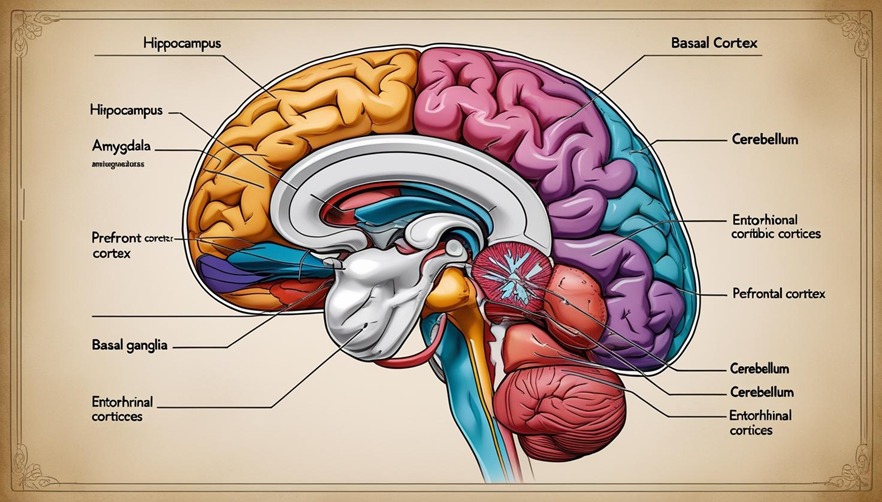
    • The hippocampus encodes new experiences
    • The amygdala tags emotional significance
    •  The prefrontal cortex organizes and retrieves when needed
    •  The basal ganglia and cerebellum store routines and motor memory
    • The entorhinal cortex and thalamic structures help integrate and relay memory signals.

    When Memory Fails: Pathologies and Therapeutic Horizons

    Alzheimer’s Disease:

    It is a progressive neurodegenerative disease characterized by an insidious onset causing a decline in memory and other cognitive functions, including language, reasoning, and judgment. The pathology initially affects the medial temporal lobe and spreads outward into the neocortex. It moves through the temporal lobes, affecting language and semantic memory, and then into the parietal lobes, impairing visuospatial skills and navigation, eventually reaching the frontal lobes. This progression leads to widespread brain atrophy, with significant loss of neurons and synaptic connections, and a visible shrinkage of brain volume. At the microscopic level, the brains of individuals with AD are defined by the accumulation of Amyloid-β (Aβ) Plaques and neurofibrillary tangles which are major contributors to neuronal dysfunction and death.

    Basal ganglia and cerebellum circuits are affected much later, thus implicit memory is retained even in the advanced stages. This explains why a person may be able to play a familiar tune on the piano (preserved procedural memory) but may not recognize their family member (declarative memory failure)

    Alzheimer’s disease treatment includes anti-amyloid treatments, such as monoclonal antibodies for their ability to slow cognitive decline. Other strategies in development include anti-tau therapies, novel neurotransmitter regulators, and compounds aimed at reducing neuroinflammation.

    Compensatory aids for memory impairment

    • Journals
    • Sticky notes
    • Calendars
    • Calendar reminders
    • Alarms
    • GPS navigation
    • Digital clock
    • Bluetooth trackers

    Memory reconsolidation to treat maladaptive memories

    Memory reconsolidation is widely used for treating PTSD, phobias, and addiction by reconditioning harmful emotional memories. The therapeutic strategy involves three key steps: (1) reactivating the specific maladaptive memory through targeted recall, (2) administering an intervention during the subsequent window of lability to disrupt its reconsolidation, and (3) allowing a new, weaker, or updated memory to be re-stabilized.

    Conclusion

    Memory is not just a storage device, but a dynamic, multifaceted process. With discoveries such as optogenetics, it is now possible to identify and update the engrams of a memory trace. Consolidation and reconsolidation show that memory is a reconstructive process. Our recollections are not static recordings but are actively stabilized, reorganized, and updated throughout our lives, a feature that provides both the capacity for growth and the potential for therapeutic intervention. As we continue to decode the mechanisms by which we store our past, we move closer to being able to protect, repair, and perhaps even enhance this most fundamental of human capacities.

  • Inside the Predictive Brain: How Neuroscience is Rewriting Our Understanding of Perception

    Inside the Predictive Brain: How Neuroscience is Rewriting Our Understanding of Perception

    Understanding Perception

    In 2015, the dress illusion was viral on social media with viewers disagreeing on whether the dress was blue and black or white and gold. The neuroscientist and psychologist Pascal Wallisch pointed out that perceptions differed in response to changes in illumination and fabric. The way people see the dress is closely linked to how their brains handle colour constancy—a process that helps us see colours consistently under different lighting. This means the way people see the dress isn’t random, but part of a consistent way their brain works. Conventionally, perception is viewed as the ability to detect external stimuli by our sensory organs and then send this incoming data upward to the brain for processing.

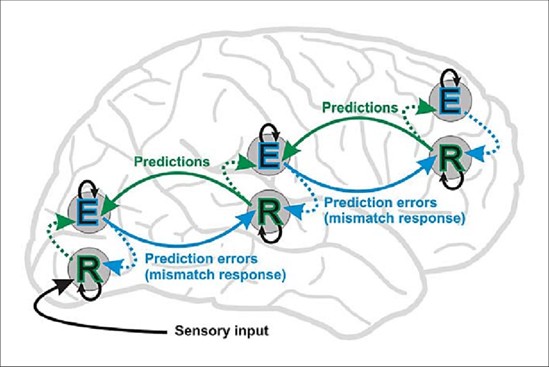
    The brain is a prediction machine

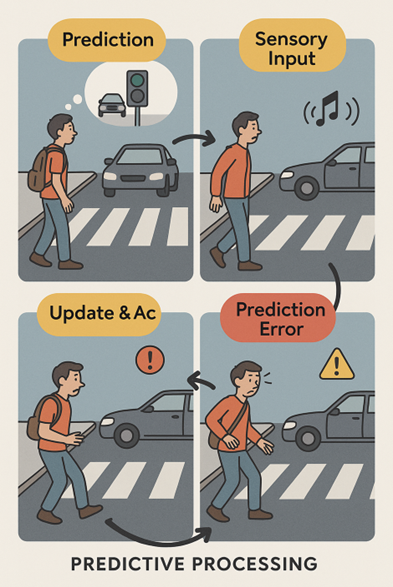
    Before crossing a busy road, your brain continuously prepares itself for how to cross the street. This involves steps such as receiving visual and auditory sensory input in the form of traffic signals, signs, boards, approaching vehicles, honking, and the sound of accelerating engines. The brain then compares these sensory inputs with previous experiences, makes predictions based on reality, and improvises based on the situation—resulting in safe action.

    Real-world implications

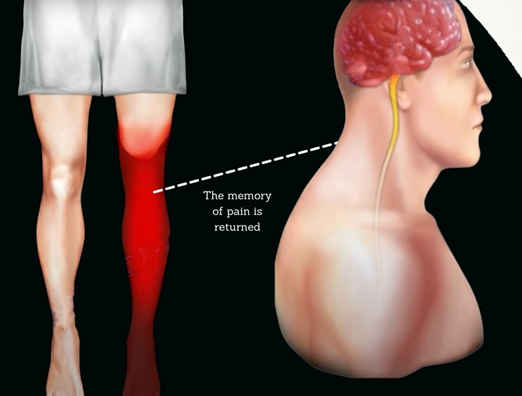
    When a person undergoes amputation of a limb, the brain’s internal model does not update instantly after the loss as it is built from a lifetime of previous sensory and motor experiences. This causes a prediction mismatch as no sensory feedback is received from the limb and the brain interprets this mismatch as something missing and unusual. Thus, even though the limb is amputated, it may result in pain where the limb used to be. Treatments such as mirror therapy help trick the brain and potentially correct the prediction error.

    Predictive processing and mental disorders

    Most research on mental disorders has looked at how people automatically react to emotional cues and how this affects their thinking. In individuals with anxiety and chronic stress, the brain constantly predicts danger and threat, even when situations seem safe. Similarly, those suffering from depression develop a habit of predicting negative outcomes and tend to struggle with imagining a positive possibility. Excessive prediction processing by the brain results in repetitive, intrusive thoughts and behaviours and a need to control unpredictable outcomes. Constantly predicting negative outcomes can cause misinterpretation of neutral actions as threats and fuel further negativity.

    In schizophrenic individuals, perception is distorted by hallucinations (false perceptions) and delusions. In schizophrenia, predictions may be too weak or unreliable, so the brain fails to use past knowledge to interpret current input. Since the brain can’t properly resolve prediction errors, imagined sounds or visions become real. This can contribute to cognitive difficulties and emotional dysregulation. There is a failure of internal models of motor control which leads to difficulty in sensory data.

    Predictive processing and AI

    The predictive processing model is also used widely in Artificial Intelligence, as models are created through abstract predictions. It offers framework for developing advanced AI, inspired by how children learn through interaction. In chatbots or customer service dialogue partners, after interpretation of the input, data is then converted into numerical representations which is then converted into a language model. The chatbot then uses predictions based on the input, lists the next most probable questions, and generates a response. This model is used in various settings and has proven to be effective in quick management of issues.

    Models like Pred Net use predictive coding to forecast future video frames, forwarding only prediction errors between layers—mimicking the brain’s visual processing pathways. Predictive coding principles enhance sentence representation in language models and inform how long-term language exposure shapes auditory processing, offering a biologically inspired model for context-sensitive AI language understanding.

    Conclusion

    In conclusion, predictive processing can be used as a powerful mental tool for deep learning based on making predictions and identifying hidden causes that influence each other. Learning is fundamentally guided by errors, with prediction mistakes acting as key signals for updating the brain’s generative models and promoting neuroplasticity. The future of Predictive processing looks promising in the field of neuroscience, and has paved a pathway for further advancements in AI, psychology, and philosophy.

  • STATINS: BOON VS BANE

    STATINS: BOON VS BANE

    High cholesterol levels over an extended period can lead to the buildup of plaque in the arteries, which gradually narrows them and makes it harder for blood to flow. This condition is called atherosclerosis. Changes to the inner lining of the arteries occur, and damage to the blood vessels can result in the formation of a blood clot, known as a thrombus. Over time,this thrombus may grow in size and lead to serious events such as a stroke or heart attack.(1)


    HMG Co-A reductase is an enzyme in the liver that helps in producing cholesterol; and this cholestrol is carried and transported in the blood by Low Denisty Lipoproteins also called as bad cholestrol.(2,3) The most widely prescribed class of medications for lowering cholesterol levels in the blood are called Statins. Statins work by blocking HMG Co-A reductase, thereby
    reducing the amount of cholesterol made by the liver and removing more LDL from the blood. These medications also facilitate the generation of nitric oxide, which improves blood
    flow by widening the blood vessels. High doses of statins, like atorvastatin and rosuvastatin, can reduce plaque in the arteries and significantly lower the risk of heart problems.(2)


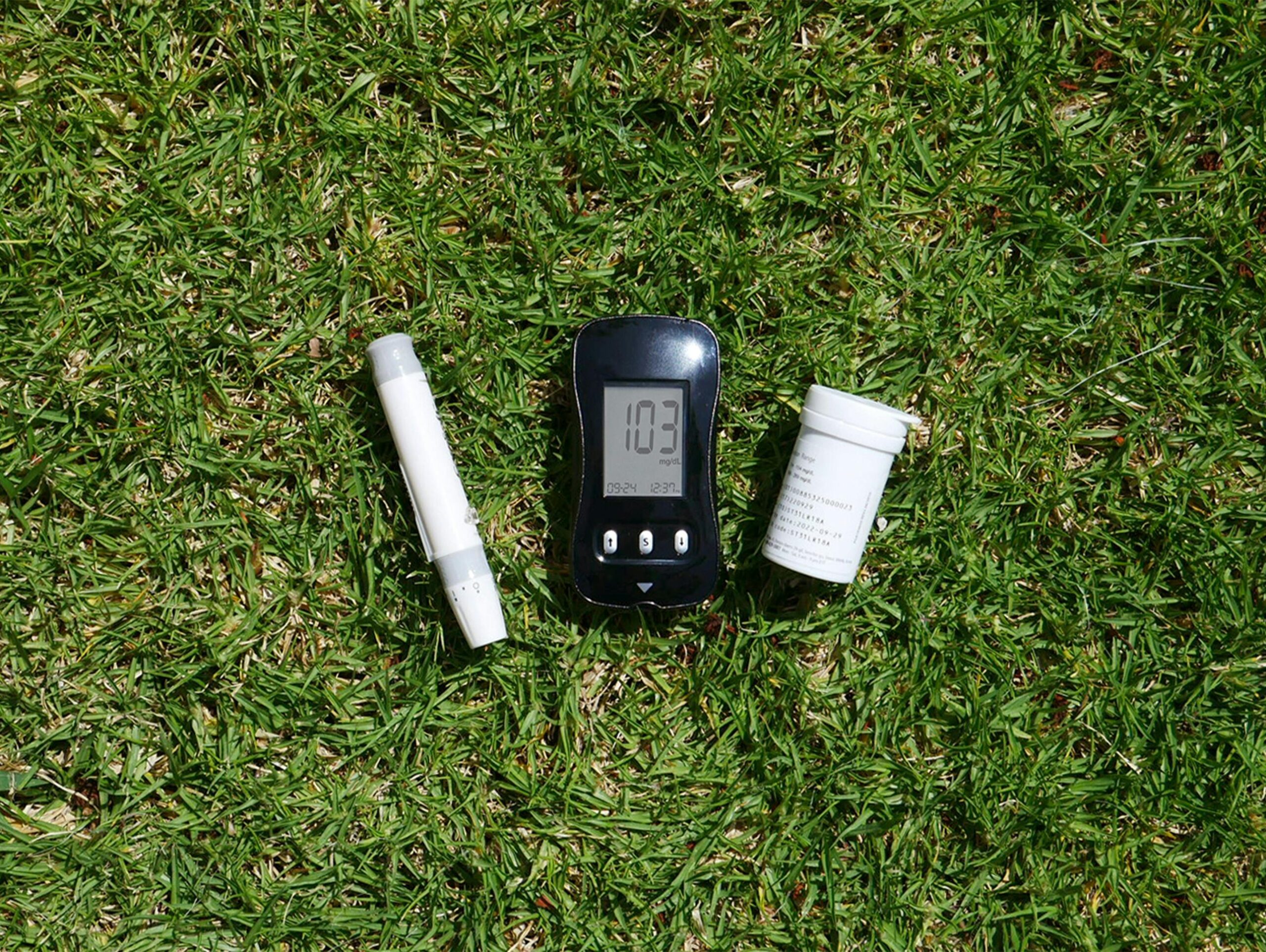
    Statins have been associated with a couple of harmful effects, such muscle pain and weakness, type 2 diabetes mellitus and liver toxicity.(1) In rare cases, muscle tissue can break down, releasing a protein called myoglobin into the blood. This can damage the kidneys and, in severe cases, lead to kidney failure.(2) Recent studies have shown that people taking statins have a higher risk of developing type 2 diabetes. Statins can indirectly block the process that turns glucose into energy and prevent the release of insulin from the pancreas.(1) Other side effects include memory issues and development of cataract.(2)
    Taking into consideration the beneficial and harmful effects of statins, it is important for healthcare professionals to carefully review any pre-existing conditions before prescribing
    them to avoid potential harm. Newer medications like inclisiran and bempedoic acid, are now prescribed to patients who cannot tolerate statins.(4) Recent guidelines suggest a step-by-step
    approach, including changes in diet, proper exercise and management of stress.(1)

    References

      1. Sultan S, D’Souza A, Zabetakis I, Lordan R, Tsoupras A, Kavanagh EP, et al. Statins: Rationale,
        mode of action, and side effects. In: The Impact of Nutrition and Statins on Cardiovascular
        Diseases. Elsevier; 2019. p. 171–200.
      2. Khatiwada N, Hong Z. Potential Benefits and Risks Associated with the Use of Statins. Vol. 16,
        Pharmaceutics. Multidisciplinary Digital Publishing Institute (MDPI); 2024.
      3. Khatana C, Saini NK, Chakrabarti S, Saini V, Sharma A, Saini R V., et al. Mechanistic Insights into
        the Oxidized Low-Density Lipoprotein-Induced Atherosclerosis. Vol. 2020, Oxidative Medicine
        and Cellular Longevity. Hindawi Limited; 2020.
      4. Vinci P, Panizon E, Tosoni LM, Cerrato C, Pellicori F, Mearelli F, et al. Statin-associated myopathy: Emphasis on mechanisms and targeted therapy. Vol. 22, International Journal of Molecular Sciences. MDPI; 2021.

    1. How does temperature affect exercise?

      How does temperature affect exercise?

      Exercise related heat exhaustion is a common illness, especially during the summers. It usually occurs when your body temperature rises above normal, due to increased physiological demands. Hence, it is very important to understand how your body cools itself when heat stress is present.

      Understanding thermoregulation:

      In order to balance the rate of internal heat production with the environmental heat loss, the body maintains a core temperature of 98.6º F (37º C). This is regulated by the cardiovascular system which adapts by increasing heart rate and stroke volume. Evaporation is the body’s primary protection against overheating. Through this process, the body transfers heat from its core by evaporating sweat from the skin and respiratory passages. It is important to understand, however, that sweating alone does not cool the body. In order for heat to be released, sweat must be evaporated to lower the skin temperature by cooler air. Humidity is another factor that impairs evaporation, which increases the rate of sweating, causing a greater loss of body water, which in turn leads to dehydration.

      Clearing the misconception:

      Sweating does not mean fat loss. In order to lose fat and build lean muscle mass, being in calorie deficit is important.  During the sweating process, blood vessels dilate and hot liquid from the vessels is pumped onto your skin by your sweat glands, so that heat can be transferred to the air around the body. By wiping sweat away, you are hindering that process and preventing your body from cooling off like it needs to. The International Fitness Association IFA recommends that the temperatures for aerobics, cardio, weight training and Pilates gyms should be at about 63 ºF to 70ºF (18 ºC to 22ºC). Yoga should be warmer but no higher than 81ºF(27ºC). Aquatic therapy in pool areas should be in the 70 ºF to 80 ºF (21ºC-26º C) range. Humidity levels for all areas should be around 40% to 60%.

      Takeaway message:

      While progression in exercise is important to achieve your fitness goals, it is crucial to understand your body’s adaptability to training. Also, in cases of where fainting or heat exhaustion has occurred before, it is advisable to keep a track of heart rate and blood pressure to avoid any serious consequences.

    2. Understanding the relationship between inadequate sleep and obesity

      Understanding the relationship between inadequate sleep and obesity

      “Lack of sleep is only bad if you have to drive, think, talk or move.” – Dov Davidoff

      Obesity is a widespread global issue, primarily driven by poor dietary choices and a lack of physical activity. Poor sleep quality and insufficient rest also play a significant role in obesity, as they are independently linked to higher BMI (Body Mass Index) and increased glycemic index.

      What purpose does sleep serve?

      Sleep serves numerous vital functions, such as conserving energy and reallocating it to energy-dependent processes such as protein and hormone synthesis. Additionally, sleep helps reduce oxidative stress, supports the removal of metabolic waste from the brain, boosts immune function, and helps in synaptic balance, memory and cognitive function. During sleep, most systems enter an anabolic state, which plays a crucial role in restoring the nervous, immune and musculosketal systems.

      Sleep and Neurohormonal Imbalance:
      The regulation of appetite is controlled by hormones such as leptin, which suppresses hunger, and ghrelin, which promotes appetite. Lack of sleep causes circadian misalignment, where wakefulness and eating occur when the body’s circadian system should be promoting sleep. People who have a disruption in their neural circiuts due to inadequate sleep often develop irregular eating habits, including skipping meals, snacking frequently, and having poor dietary choices. Additionally, disturbed sleep patterns are linked to elevated cortisol levels, which can contribute to weight gain and a slowdown in metabolism. Short sleep durations also result in reduced glucose tolerance, putting individuals at greater risk of developing type 2 diabetes.

      Strategies to Improve Sleep:
      Physical activity, tailored to an individual’s age and condition, can help reduce the risk of metabolic syndrome. Engaging in at least 30 minutes of exercise daily, aiming for 60-70% of an individual’s target heart rate, can be beneficial. Maintaining a consistent routine and ensuring there’s a two-hour gap between the last meal and bedtime helps improve insulin resistance and other metabolic parameters. Recent studies suggest that short naps (15-20 minutes) during the day can help reduce daytime fatigue and sleepiness, although longer naps (over 30 minutes) may negatively affect nighttime sleep. Other strategies for improving sleep quality include sleeping in a dark room, reducing screen time, and avoiding alcohol and smoking. Therefore, alongside regular exercise and proper nutrition, sleep is a crucial component of an individual’s overall fitness journey.

    3. Why should women lift weights?

      Why should women lift weights?

      “It is exercise alone that supports the spirit, and keeps the mind in vigor.”

      – Cicero

      Polycystic Ovarian Syndrome (PCOS) is the most prevalent endocrine disorder among women of reproductive age. It presents with various metabolic, reproductive, and mental health issues. Women with PCOS are more likely to develop impaired glucose tolerance and type 2 diabetes due to insulin resistance. Symptoms such as acne, irregular menstrual cycles, and excessive hair growth are linked to elevated androgen levels.

      What is strength training and what role does it play?

      Strength training is an anabolic form of exercise that involves the use of resistance or loading in the form of body weight, resistance bands, suspension equipment, free or machine weights which is usually recommended for muscle hypertrophy, sports performance, and physical rehabilitation. In recent years, it has been shown to have notable effects on cardiovascular and metabolic disorders. Research has proven that strength training has shown to improve insulin sensitivity and lower free androgen index significantly and thus improve overall quality of life. There is reduction in fat mass as a result of improvement in basal metabolic rate as a result of improved muscle mass and metabolism.

      How much?

      A minimum of 2 sessions per week is mandatory along with any aerobic activity such as walking, running or cycling. It is important to progress each week or every fortnightly. For example, if an individual is able to complete 2 sets with 10 repetitions comfortably with the right form, they can be easily progressed to 15 repetition or the load/resistance can be increased by 5-10%.

      Takeaway message

      It’s essential to recognize that even with a hectic schedule, dedicating a minimum of 2 hours per week to mental and physical well-being can have a significant impact. Along with regular exercise, maintaining a healthy diet and getting enough sleep can make a major difference. Fitness should not only be viewed as a goal but as a lifestyle.

    4. Is your glass of beer worth your fitness goals?

      Is your glass of beer worth your fitness goals?

      “One drink and home is a myth”

      We are all aware of the impact alcohol has on our body, but if you’re an athlete or focused on reaching specific fitness goals like building muscle or losing fat, it’s crucial to understand how our musculoskeletal system works.

      Skeletal muscle mass (SKM) is regulated by a balance between anabolic (protein synthesis) and catabolic (protein breakdown) signaling. When engaging in intense resistance exercise, the speed and quality of muscle recovery are crucial for optimal performance. Alcohol consumption, depending on the timing and amount, can reduce muscle protein synthesis, thereby slowing muscle recovery. Research also indicates that alcohol can elevate cortisol levels while decreasing testosterone and plasma amino acid levels, which may impair muscle adaptation. Additionally, when athletes suffer soft tissue injuries, the body initiates an inflammatory response. Alcohol disrupts this process and acts as a vasodilator, increasing blood flow to the injured area, potentially worsening the injury and delaying recovery.

      Takeaway message:

      Abstaining from alcohol is undoubtedly the best approach to maintaining consistent performance. The National Institute on Alcohol Abuse and Alcoholism defines a standard drink as 0.6 fluid oz (14 g) of pure alcohol, which is equivalent to 12 oz of regular beer, 5 oz of wine, or 1.5 oz of distilled spirits. It is recommended not to consume alcohol more than once a week. To support your body, it’s crucial to stay well-hydrated or consume sports drinks with electrolytes before drinking alcohol. Additionally, adequate sleep and a balanced diet are essential for sustaining energy levels and promoting recovery.

    5. Early Onset of Diabetes Mellitus in Young Adults and lifestyle modifications

      Early Onset of Diabetes Mellitus in Young Adults and lifestyle modifications

      “Start where you are. Use what you have. Do what you can.”

      — Arthur Ashe

      Why is early-onset diabetes a major concern?

      Lifestyle-related disorders have been increasingly common among younger adults less than 40 years of age in recent years. Type 2 diabetes mellitus is a significant concern, with projections indicating it could rise two to three times by 2040. Individuals with a family history of diabetes, those who are obese, and women, particularly those diagnosed with PCOS, face a higher risk. Therefore, taking preventive steps is essential to minimize the risk and prevent the complications associated with diabetes.

      Understanding Insulin Resistance and β cell dysfunction

      Insulin is released by the pancreas to transport blood glucose into cells for energy use. The main underlying issue in Type 2 diabetes mellitus (DM) is insulin resistance and β cell dysfunction. Insulin resistance hampers the ability of the muscle cells to absorb and store glucose and triglycerides, leading to elevated blood glucose and triglyceride levels. In the early stages, the pancreatic β cells compensate for insulin resistance by producing more insulin. However, over time, they become exhausted, resulting in a reduction in β cell mass.

      Prevention and management

      If there is a family history of Diabetes Mellitus, it is important to undergo screening tests, such as an oral glucose tolerance test and fasting plasma glucose, to assess for potential diabetes. The first line of treatment involves adopting healthy dietary habits, engaging in regular exercise, and avoiding smoking and alcohol consumption.

      Exercise prescription

      A mix of aerobic exercises, such as swimming, jogging, or cycling, performed at 60-75% of peak heart rate, along with resistance training at least 2-3 times per week, helps improve insulin sensitivity, lower blood glucose levels, and maintain a healthy weight. Tai Chi and yoga have also been shown to effectively manage diabetes. People with Type 2 diabetes should be cautious about exercising in hot environments at first, as their ability to regulate body temperature may be impaired, leading to dehydration. For sedentary adults, it is essential to take short 5-minute activity breaks and stand or walk every hour. Another helpful strategy to regulate blood glucose is taking a walk after each meal. Although they are simple, making these small lifestyle changes and staying consistent with them can significantly contribute to maintaining overall health.