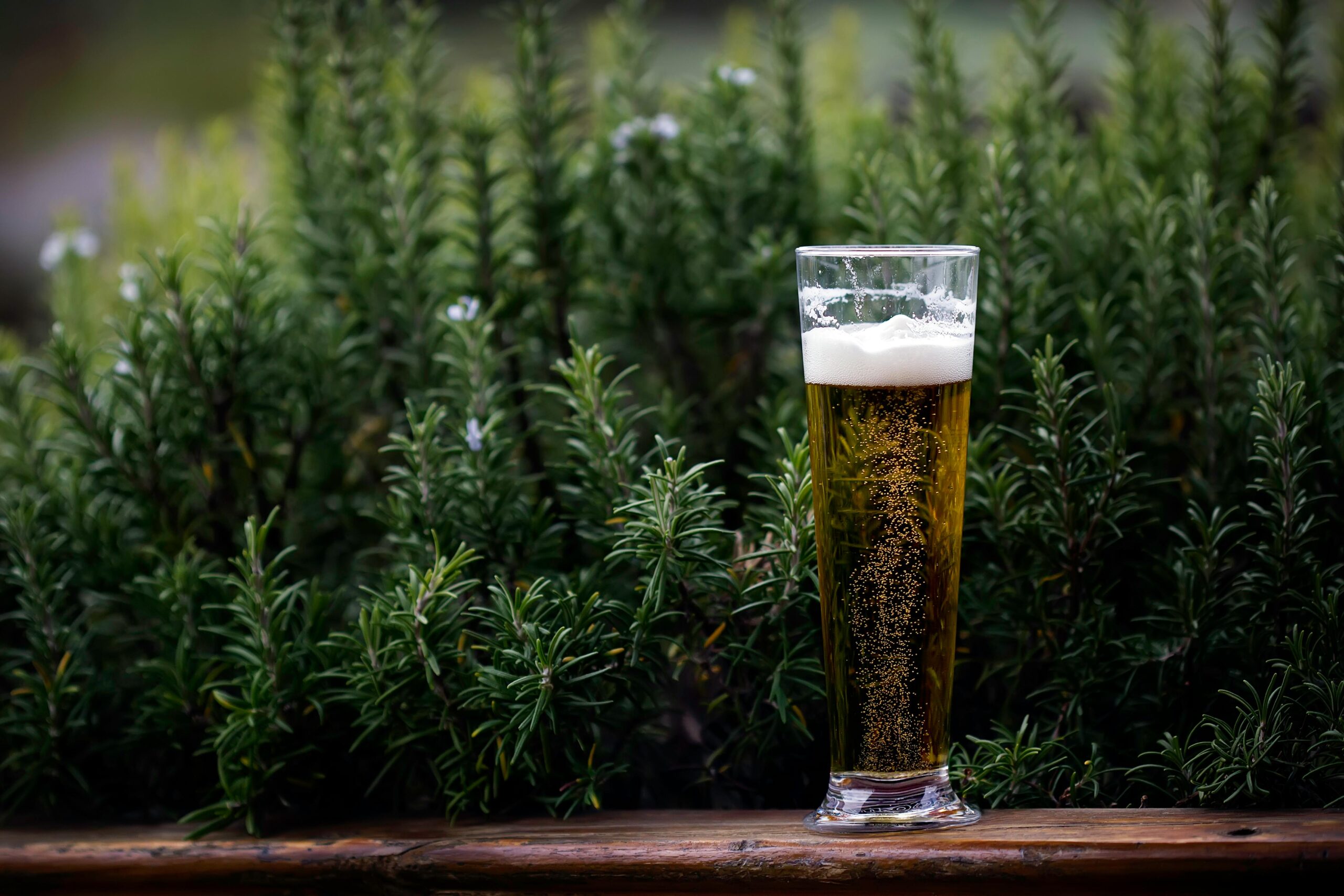
“One drink and home is a myth”
We are all aware of the impact alcohol has on our body, but if you’re an athlete or focused on reaching specific fitness goals like building muscle or losing fat, it’s crucial to understand how our musculoskeletal system works.
Skeletal muscle mass (SKM) is regulated by a balance between anabolic (protein synthesis) and catabolic (protein breakdown) signaling. When engaging in intense resistance exercise, the speed and quality of muscle recovery are crucial for optimal performance. Alcohol consumption, depending on the timing and amount, can reduce muscle protein synthesis, thereby slowing muscle recovery. Research also indicates that alcohol can elevate cortisol levels while decreasing testosterone and plasma amino acid levels, which may impair muscle adaptation. Additionally, when athletes suffer soft tissue injuries, the body initiates an inflammatory response. Alcohol disrupts this process and acts as a vasodilator, increasing blood flow to the injured area, potentially worsening the injury and delaying recovery.
Takeaway message:
Abstaining from alcohol is undoubtedly the best approach to maintaining consistent performance. The National Institute on Alcohol Abuse and Alcoholism defines a standard drink as 0.6 fluid oz (14 g) of pure alcohol, which is equivalent to 12 oz of regular beer, 5 oz of wine, or 1.5 oz of distilled spirits. It is recommended not to consume alcohol more than once a week. To support your body, it’s crucial to stay well-hydrated or consume sports drinks with electrolytes before drinking alcohol. Additionally, adequate sleep and a balanced diet are essential for sustaining energy levels and promoting recovery.
Leave a Reply